
Loading...
Serving San Luis Obispo, CA and surrounding areas. (805) 329-7188
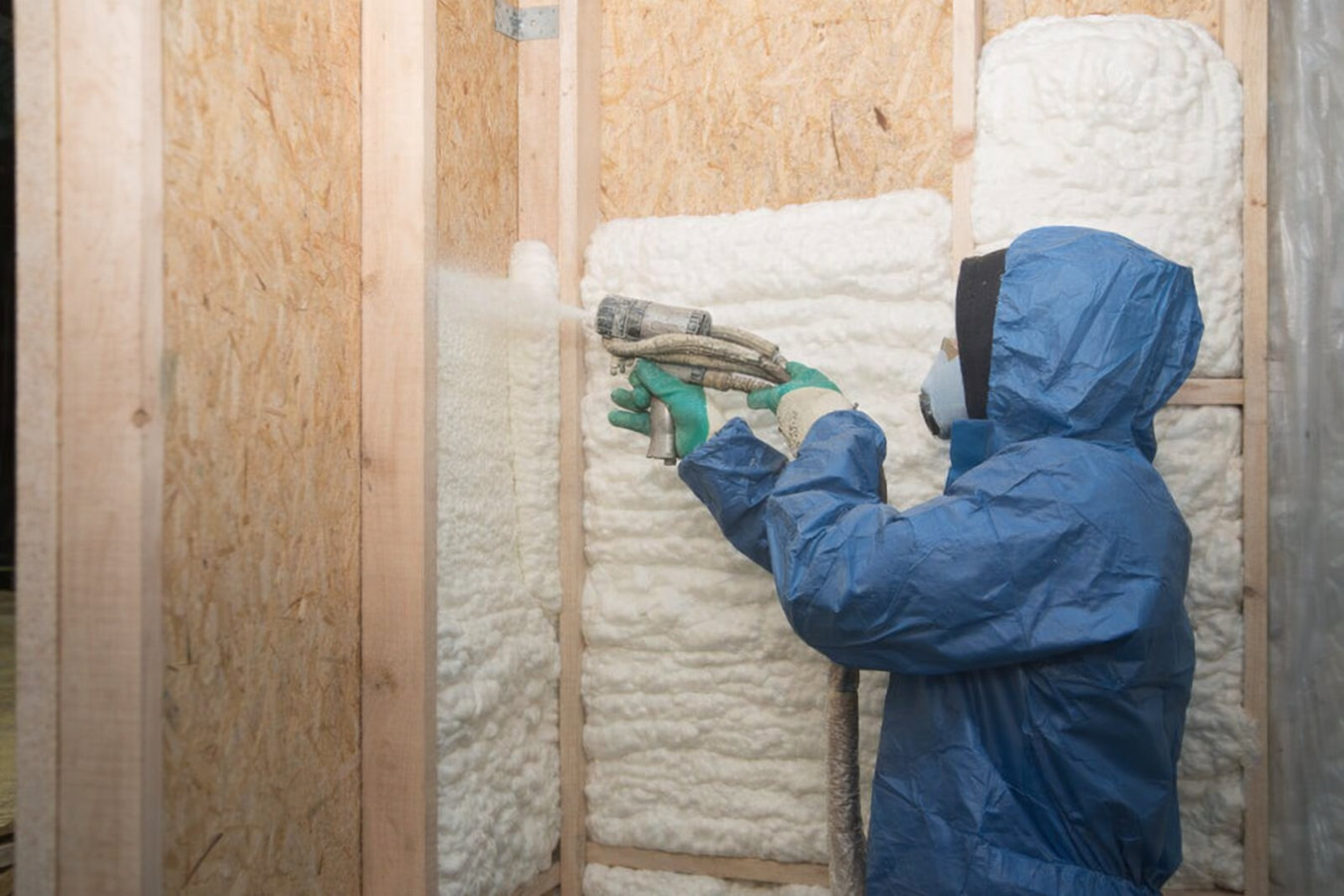
San Luis Obispo Insulation brings spray foam insulation, attic insulation, and crawl space services to Santa Barbara homeowners - with experienced crews who have worked on the city's stucco-exterior homes and hillside properties, and free written estimates before any work begins.
Santa Barbara homes often have inaccessible wall cavities behind stucco exteriors where traditional batt insulation cannot reach - and that is exactly where spray foam insulation performs best. In crawl spaces and attics, spray foam seals air leaks and blocks the marine moisture that Santa Barbara homes face year-round, making it the most complete insulation solution for homes built in the 1920s through 1970s that still have their original assemblies.
Clay tile roofs are the architectural standard in Santa Barbara, and the attic spaces beneath them are often poorly insulated in homes built before the 1980s. Santa Barbara summers push heat through thin attic insulation into living spaces directly below, and Mesa neighborhood homes with flat or low-pitched rooflines have even less buffer between the tile and the ceiling. Upgrading attic insulation is the single highest-return energy improvement for most Santa Barbara homeowners.
Santa Barbara homes on the Mesa, Eastside, and Westside commonly have raised foundations with crawl spaces that have never been insulated or sealed. Marine air from the Pacific keeps soil moisture elevated throughout the year, and unprotected crawl spaces allow that moisture to work into floor framing and subfloor materials over time. Insulating and sealing the crawl space addresses both the energy loss and the moisture problem at the same time.
Blown-in loose-fill insulation is the practical solution for Santa Barbara homes where stucco exteriors make wall access difficult. The material is injected through small holes drilled from inside that are patched and finished afterward - no stucco removal required. It also works well for topping up attic insulation in Riviera and hillside homes where the attic space has settled or degraded original coverage.
Homes built in Santa Barbara between the 1920s and 1960s were constructed well before air sealing was part of any building code, and gaps around ceiling fixtures, plumbing penetrations, and attic hatches allow conditioned air to escape constantly. Sealing those gaps before adding insulation captures a significant share of the comfort and efficiency improvement - it is the step most homeowners skip and the one that matters most on older Santa Barbara homes.
The Pacific marine layer that defines Santa Barbara weather keeps ground moisture elevated under homes for most of the year - not just after winter rain. A heavy-duty vapor barrier installed across the crawl space floor and sealed to the foundation walls stops that moisture from rising into floor joists and subfloor materials. For hillside homes on the Riviera with steeper lots and clay-influenced soils, a vapor barrier is especially important given how long those soils stay saturated after rain.
Santa Barbara rebuilt much of its downtown after a devastating 1925 earthquake, and that rebuilding effort created one of the most consistent architectural landscapes in California - white stucco walls, clay tile roofs, and arched details define neighborhoods from the Riviera above downtown to the Mesa along the coast. That consistency is beautiful, but it also means a large share of the city's housing stock is 70 to 100 years old. Homes built in the 1920s through 1950s were constructed without meaningful wall insulation and with attic assemblies that would not meet current California energy requirements by a wide margin. A contractor who does not understand stucco construction and historic home assemblies will not know how to improve insulation performance without damaging existing finishes.
Santa Barbara's climate is mild year-round by most measures, but the Pacific Ocean creates a persistent moisture condition that does not stop between rainy seasons. Marine fog rolls through regularly in spring and early summer, and the humidity it carries finds its way into crawl spaces and attics in homes that were not designed to resist it. Homes on hillside lots on the Riviera and in foothill neighborhoods face an additional challenge: the 2017 Thomas Fire and 2018 Montecito debris flow demonstrated how quickly hillside properties can be affected by fire and post-fire water damage. Homeowners in those neighborhoods need insulation contractors who understand what moisture exposure and fire proximity can do to an attic or crawl space over time.
We pull insulation permits through the City of Santa Barbara Building and Safety Division for projects that require city review, and we know which project types cross that threshold here - spray foam in wall assemblies often does, while attic top-ups typically do not. Getting that right from the start avoids stop-work orders and inspection delays that can add weeks to a project on a Santa Barbara hillside home.
We work throughout Santa Barbara's distinct neighborhoods and understand how much the job changes from one to the next. Homes near the Santa Barbara County Courthouse and State Street tend to be compact urban lots with older bungalows and minimal yard access. Riviera homes sit on steep terrain with tight crawl space clearance and sometimes require specialized equipment to reach the work area safely. Mesa homes are mostly mid-century ranch style - a different challenge from the 1920s homes downtown. We also regularly serve San Luis Obispo, and crews that work Santa Barbara one week are often in San Luis Obispo the next.
We are also familiar with Goleta just to the west, and we serve both communities regularly. Goleta homeowners call us for the same reasons Santa Barbara homeowners do - older housing stock, coastal moisture, and insulation that has not kept pace with California energy standards.
We respond within one business day. Tell us your address and what you have noticed - drafty rooms, musty smells, high energy bills - and we will schedule an in-home assessment at a time that works for you.
We visit your home and inspect the attic, crawl space, and any walls in question. For Santa Barbara homes, we pay close attention to stucco wall access, hillside lot conditions, and any moisture present before quoting a price - there are no surprises after you have already agreed to the work.
Our crew arrives with the right equipment for your home type. Spray foam jobs require you to be out of the home for at least 24 hours after application while the foam cures. Attic and crawl space work does not require you to leave. We handle permits when required so you do not have to track that process yourself.
Before we leave, we walk through what was done, show you the coverage, and answer any questions. You receive written documentation of the work - useful when you refinance or sell, and required if a permit inspection is scheduled.
We serve Santa Barbara homeowners with free in-home estimates and no-pressure quotes. Call us or fill out the form and we will be in touch within one business day.
(805) 329-7188Santa Barbara is a coastal city of about 88,000 people situated between the Santa Ynez Mountains and the Pacific Ocean, roughly 100 miles northwest of Los Angeles. The city is known internationally for its Spanish Colonial Revival architecture - white stucco walls and red clay tile roofs that trace back to the post-earthquake rebuilding effort of the late 1920s. Each of Santa Barbara's neighborhoods has a distinct character: the Riviera climbs the hillsides above downtown with older custom homes on steep lots, the Mesa runs along the coast with mid-century ranch houses, the Westside and Eastside neighborhoods pack bungalows and older multi-family buildings onto compact lots, and Stearns Wharf - the oldest working wharf on the West Coast - anchors the waterfront at the foot of State Street. For more background on the city, the Santa Barbara Wikipedia entry covers its history and neighborhoods in detail.
Most of the residential housing stock within the city limits dates from the 1920s through the 1960s - an era when wall insulation was minimal or absent by today's standards and crawl spaces were left open to the soil below. Owner-occupancy rates are high across the Riviera, Mesa, and upper Eastside, and homeowners in those neighborhoods tend to invest in long-term maintenance. Santa Barbara homeowners we work with most often come from the same neighborhoods where we also serve clients in nearby Goleta to the west and San Luis Obispo to the north - communities that share the same coastal climate and older housing challenges.
High-performance spray foam that air-seals and insulates in a single application.
Learn moreKeep heat in during winter and out during summer with proper attic insulation.
Learn moreLoose-fill insulation blown into attics and walls for even, complete coverage.
Learn moreSafe removal of old, damaged, or contaminated insulation before replacement.
Learn moreInsulate your crawl space to prevent moisture problems and heat loss below the floor.
Learn moreImprove your home comfort and reduce noise with professional wall insulation.
Learn moreSeal drafts and air leaks to boost efficiency and eliminate cold spots.
Learn moreInsulate basement walls and rim joists to reduce heat loss and moisture.
Learn moreDense, moisture-resistant closed-cell foam with the highest R-value per inch.
Learn moreLightweight open-cell foam ideal for interior walls and soundproofing.
Learn moreCommercial-grade insulation services for offices, warehouses, and retail spaces.
Learn moreHeavy-duty vapor barriers installed in crawl spaces to control moisture.
Learn moreProfessional vapor barrier installation to protect your home from dampness.
Learn moreSeal attic bypasses and penetrations before insulating for maximum results.
Learn moreAdd insulation to existing walls and structures without full renovation.
Learn moreServing these cities and communities.
From the hillside homes on the Riviera to the mid-century ranches on the Mesa, we bring experienced crews and free estimates to every Santa Barbara neighborhood. Call us today.